

Smart Charging: A New Era for EU Drivers
The electric vehicle revolution is well underway in Europe, and with it comes a paradigm shift in how we think about our cars and their relationship with the power grid. Smart charging is at the forefront of this transformation, promising a future where EV drivers save money while actively helping to create a more sustainable and resilient energy system.
The Security Layers Behind EV Charging Fraud Protection
While fraud at EV chargers isn't common, it does happen from time to time: a cloned card, a fake QR sticker, or a driver billed for energy they never used. What those stories almost always leave out is the part that matters most: what happens after the fraud begins, and why it usually ends the same way. Because the system behind public EV charging is built to detect exactly this kind of behavior.
Green Charging Explained: How Guarantees of Origin Can Power the Next Wave of Sustainable Mobility
Electric vehicles are already one of the most effective tools available to decarbonise road transport. Their superior energy efficiency means they produce substantially lower lifecycle CO₂ emissions than petrol or diesel vehicles under all electricity system scenarios assessed to date. And while they outperform internal combustion engine vehicles on lifecycle emissions, it is the source of electricity determines the scale of those emissions savings.
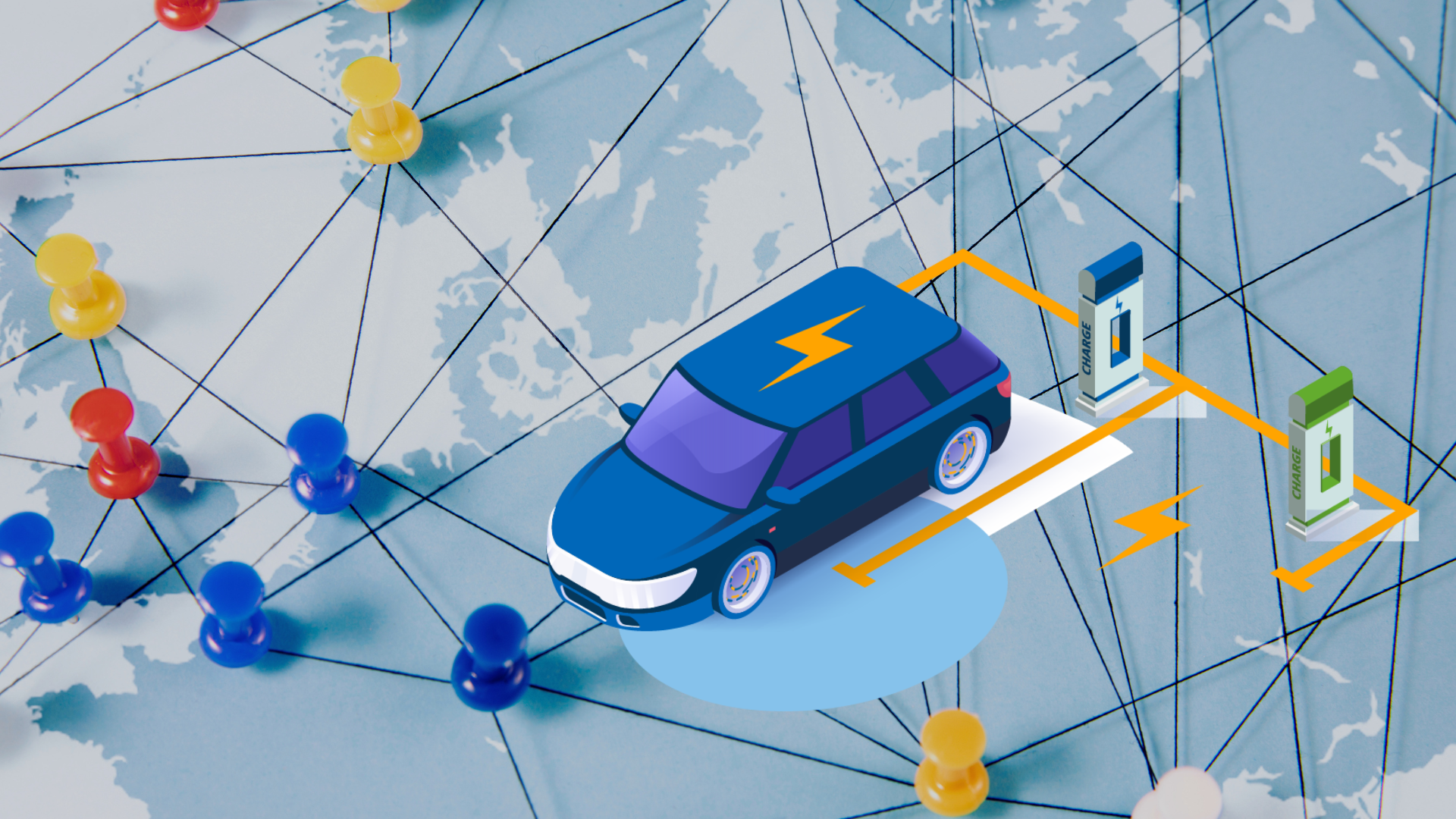
E-Roaming: The invisible hand behind seamless EV charging
E-roaming refers to the ability of EV drivers to seamlessly access and use charging stations operated by different charging networks. It works by establishing communication protocols that allow EV drivers to use a single access method, such as an app or RFID card, across various charging networks. This interoperability is essential to achieving efficient, user-friendly, and widely accessible charging infrastructure.
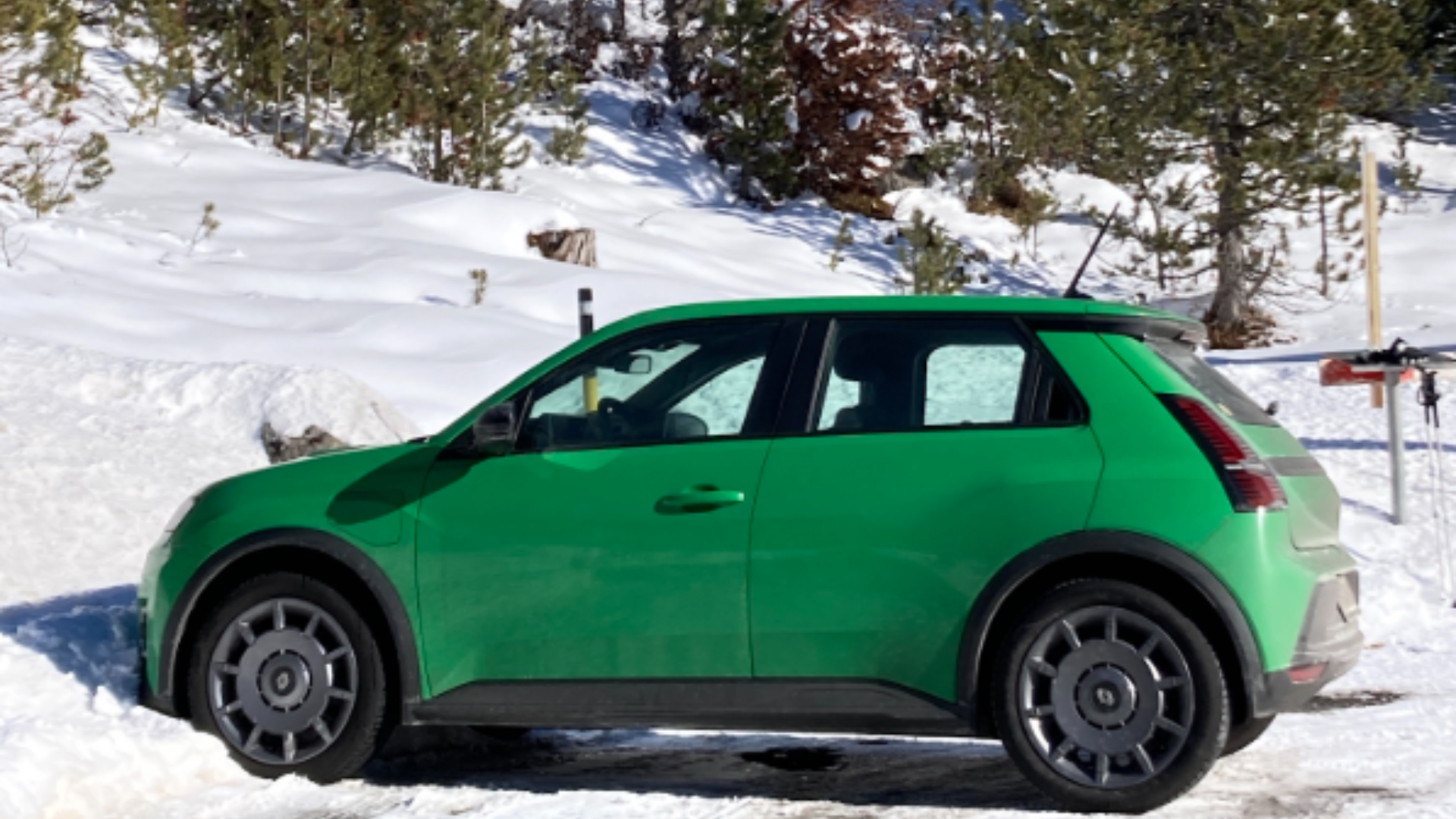
Range anxiety is over. How I did 750 km in one day with a small affordable EV
Drivers of combustion-engine vehicles often argue that electric vehicles are too expensive and offer insufficient driving range, especially in winter conditions. I decided to put it to the test. It turns out that driving hundreds of kilometers can absolutely be done with an affordable mass market electric car – also in winter.
Electric Vehicles and Europe’s Energy Security: Building Resilience in a Volatile World
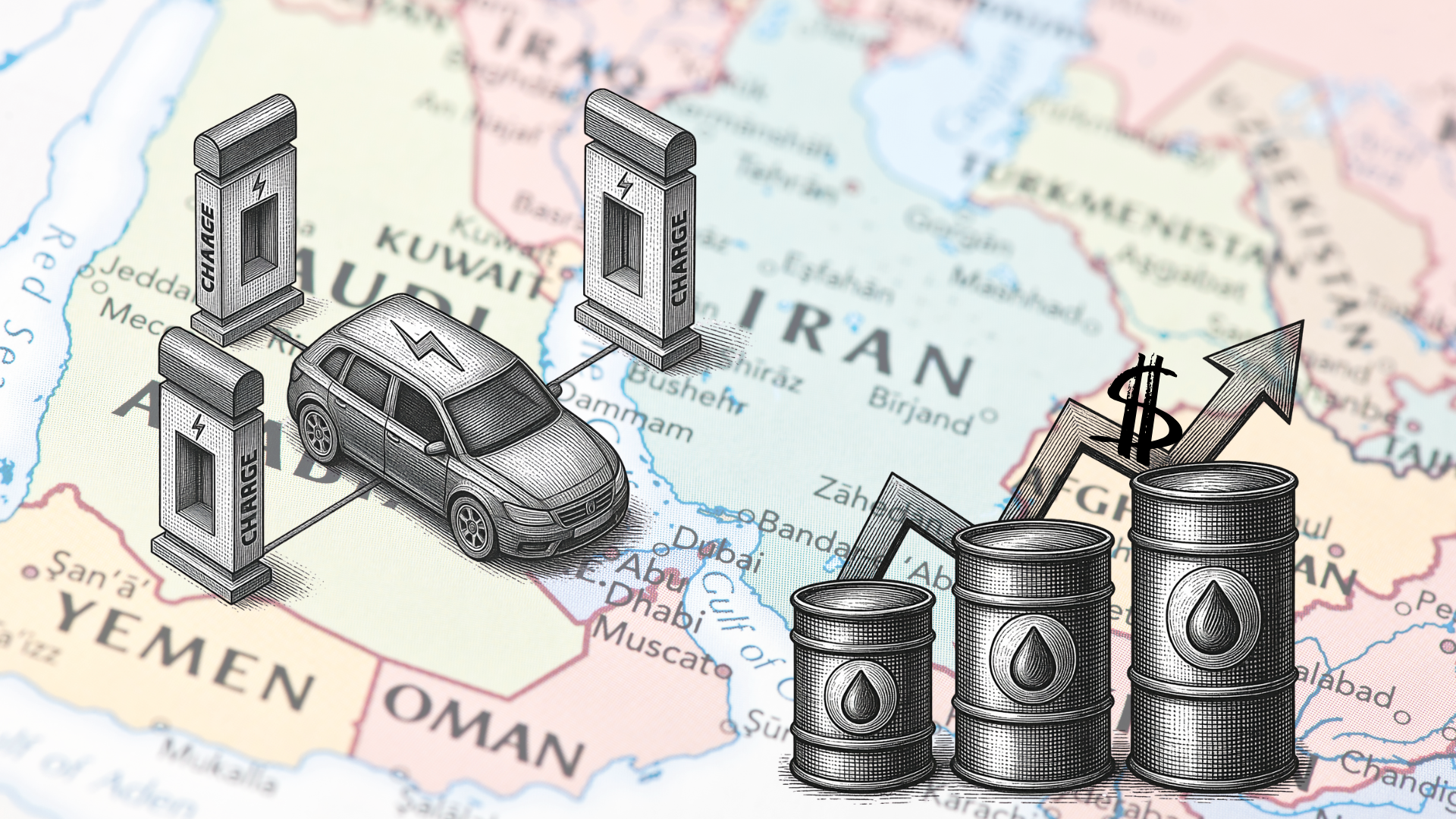
Surging oil prices triggered by the conflict in Iran are once again exposing Europe’s vulnerability to fossil fuel dependence. As petrol costs spike and household budgets tighten, electric vehicles are proving far more resilient, offering not just lower running costs, but a pathway toward greater energy security and independence in an increasingly volatile world.